 EN
EN

Navigating the Frustrations of Culinary Scaling in Commercial Kitchens
During my early days managing back of house operations for a high volume Asian fusion restaurant group, we faced a major crisis with our signature spicy broth. Our head chef had spent weeks perfecting a rich, complex recipe in a small five quart pot, but when we tried to multiply that exact recipe to fill a one hundred gallon industrial boiling vat, the entire flavor profile collapsed. The top layer turned unpleasantly greasy, the heat became sharp and aggressive rather than smooth, and the deep background umami notes were completely lost in the dilution. Our culinary staff spent hours desperately throwing in extra handfuls of star anise and Sichuan peppercorns, but the inconsistency across different shifts began hurting our customer return rates. That eye opening experience taught me that scaling up a delicate flavor matrix is not a matter of simple multiplication. In a large scale catering environment, achieving a memorable dining experience depends entirely on understanding how different chemical elements interact when exposed to massive volumes and prolonged heat stress.
The Chemistry of Lipid Soluble Compounds and Emulsion Mechanics
To understand why the internal formulation balances are so critical, you have to look at the physical chemistry of a premium hotpot soup base. A professional broth is essentially a complex, temporary emulsion where water soluble flavor compounds, solid spice particulates, and rich lipids must coexist in perfect harmony. Food science research notes that capsaicin, the chemical compound responsible for chili heat, is highly soluble in fat but barely dissolves in water. If the ratio of oil to water is off by even a tiny percentage, the capsaicin will either float completely on top as a searing, separate layer or fail to bind with the ingredients. Furthermore, volatile aromatic oils locked inside premium spices like fennel, cinnamon, and cloves degrade at vastly different rates depending on the surrounding moisture levels. A meticulously calibrated formula ensures that the fat phase encapsulates the volatile aromas perfectly, allowing the rich scents to release gradually as the broth simmers at the guest table without breaking down into a bitter or muddy liquid.
Overcoming Batch Variations and Operational Workflow Hurdles
From a strict kitchen management and cost control standpoint, relying on line cooks to manually measure out raw spices and fats for every single shift is an operational liability. High kitchen staff turnover and varying ingredient moisture contents across different harvest seasons mean that scratch cooking invariably leads to flavor drift. By integrating a standardized, pre emulsified hotpot soup base into your centralized supply chain, your commercial kitchen can completely bypass hours of tedious raw ingredient sorting, frying, and simmer monitoring. Restaurant consultancy reports indicate that utilizing automated, factory calibrated liquid concentrates slashes prep time by nearly half while drastically reducing raw material waste. Line cooks simply combine the precise concentrated liquid with water or basic stock, allowing them to focus entirely on pristine plating aesthetics and rapid ticket fulfillment, ensuring a seamless operational flow even during peak dining hours.
Upholding Global Compliance and Safety in Cross Border Sourcing
For international franchise operations and large food service distributors, consistency must be backed by absolute transparency and strict regulatory adherence. Sourcing a high performance hotpot soup base for multinational branches means your selected manufacturing partner must satisfy stringent international food safety protocols. Reputable global food producers invest heavily in state of the art automated facilities that hold certified quality credentials like ISO22000 and HACCP. Leading global food safety inspectors point out that automated closed loop processing lines prevent micro biological contamination and guarantee complete batch stability. This thorough industrial oversight ensures that heavy metals, moisture activity levels, and pesticide residues are precisely managed before the product leaves the warehouse. Utilizing a reliable, fully documented commercial flavoring foundation gives catering enterprises immense peace of mind during strict custom checks, protecting the brand from unexpected supply chain disruptions.
Securing Brand Loyalty Through a Seamless Sensory Presentation
Ultimately, the commercial lifespan of any catering brand depends on the sensory satisfaction of the diners who expect their favorite meals to taste identical every single time they visit. A premium hotpot soup base does not just deliver excellent taste; it behaves flawlessly within the cooking vessel throughout a two hour dining session. It maintains a beautiful, glossy red presentation on the surface without separating into an unappealing, broken appearance as the heat continuously rises. The precise balance of high quality ingredients ensures that the savory broth coats thinly sliced meats, fresh seafood, and delicate vegetables evenly, giving guests a robust punch of authentic flavor with every single bite. By anchoring your multi unit restaurant menu with a professionally engineered flavor matrix that never wavers, your business can confidently scale its operations, capture new domestic and international markets, and cultivate an unshakeable reputation for culinary excellence.
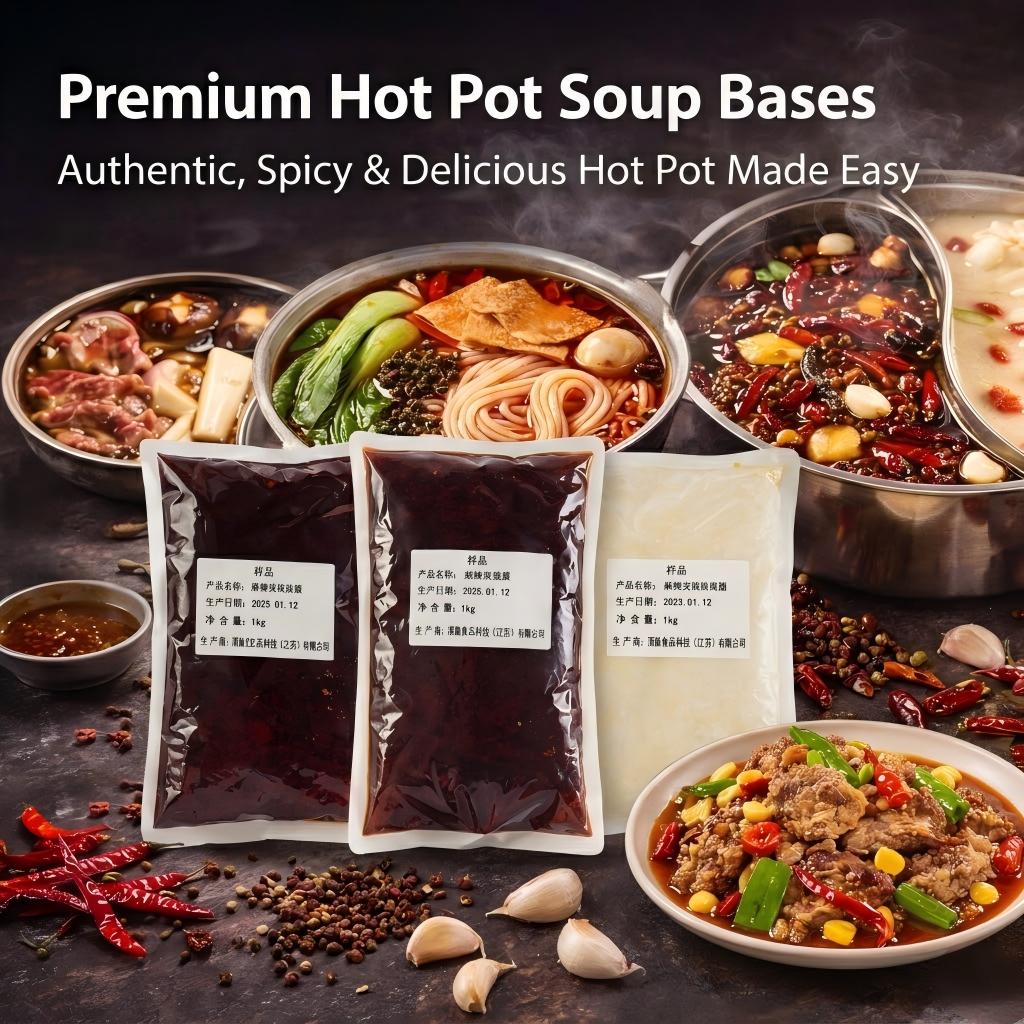
Table of Contents
- Navigating the Frustrations of Culinary Scaling in Commercial Kitchens
- The Chemistry of Lipid Soluble Compounds and Emulsion Mechanics
- Overcoming Batch Variations and Operational Workflow Hurdles
- Upholding Global Compliance and Safety in Cross Border Sourcing
- Securing Brand Loyalty Through a Seamless Sensory Presentation