 EN
EN

Meeting the High Expectations of Modern High Volume Food Production
When I was managing the supply chain operations for a massive multi brand casual dining enterprise, our central kitchen hit a critical bottleneck during a major national holiday rollout. We had recently added twenty new franchise locations within a three month window, and the manual stir frying line simply could not keep up with the soaring demand for our signature savory sauces. Even our most seasoned back of house cooks suffered from physical fatigue, which directly led to batch variations, scorched ingredients, and a noticeable drop in customer satisfaction surveys across several key branches. That stressful peak season crisis forced our executive team to realize that relying entirely on traditional manual cooking methods is a major operational vulnerability for expanding food service brands. Transitioning our high volume central production lines over to automated kitchen systems completely saved our expansion strategy. Incorporating advanced kitchen engineering not only solved our severe labor shortages but also provided the precise mechanical consistency required to protect our core brand identity across different regions.
Maximizing Consistency and Eliminating Labor Bottlenecks with Intelligent Kitchen Machinery
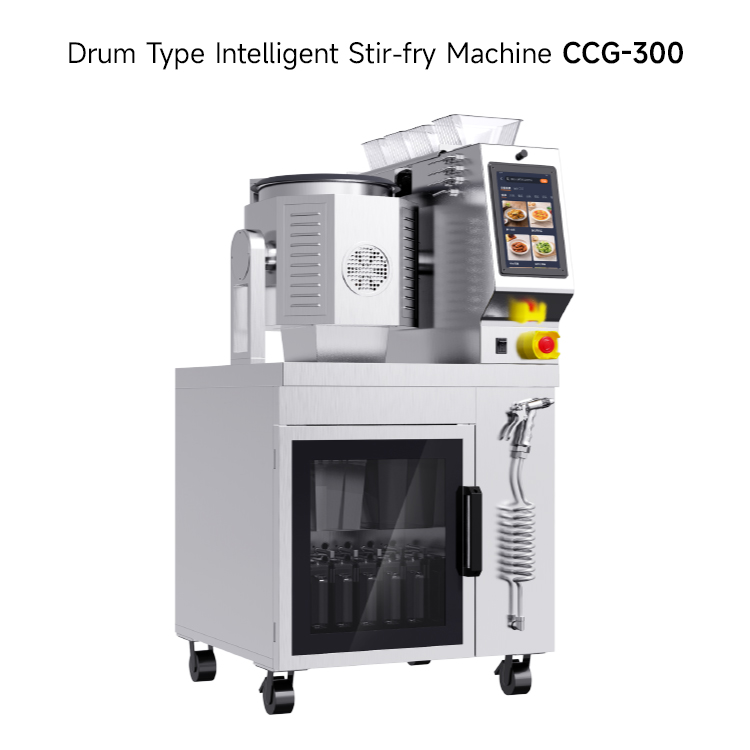
Implementing a robot cooker within a large scale food production center introduces a highly scientific approach to daily culinary output. Traditional commercial boiling and frying depend heavily on human sensory perception, real time heat adjustments, and manual stir frying techniques, but an advanced robot cooker executes complex thermal commands based on exact digital recipes, precise rotation speeds, and automated temperature regulation. Culinary manufacturing data highlights that automated stirring mechanisms distribute thermal energy far more evenly than manual paddles, which prevents the localized hot spots that often ruin delicate proteins and heavy starches. Food processing engineers explain that a professional automated cooking setup ensures every single batch receives identical oil tossing, heat application, and timing parameters. This level of mechanical precision eliminates the human error associated with back of house staff turnover, ensuring that whether a sauce is prepared at dawn or during a late night shift, the final viscosity, color tone, and flavor profile remain absolutely identical.
The Physical Engineering of Heat Distribution and Sauce Emulsification
From a specialized food engineering and thermodynamics perspective, a premium robot cooker operates as a highly optimized heat transfer environment. When commercial kitchens process massive volumes of dense liquids, stews, or meat bases, the viscosity of the fluid directly dictates how well the heat penetrates the center of the mixture. Professional industrial cooking equipment utilizes automated induction heating and custom designed scraper blades that continuously move the ingredients along the inner walls of the drum, which eliminates the risk of burning and maximizes energy efficiency. Senior kitchen consultancy researchers note that automated mechanical agitation maintains the integrity of delicate oil in water emulsions much better than irregular manual stirring. This advanced thermal control allows central kitchens to achieve a perfect glaze and uniform distribution of spices without breaking down the natural thickeners, resulting in superior product stability that holds up beautifully during long distance logistics and subsequent reheating at individual retail branches.
Upholding Global Health Certifications and Streamlining Food Safety Controls
In the international food service distribution and franchise sector, regulatory compliance and strict sanitation protocols are fundamental to maintaining enterprise trust. Deploying a robot cooker across centralized production facilities significantly elevates the biological and chemical safety standards of the entire supply chain. Top tier industrial kitchen equipment manufacturers build their automated systems in strict accordance with global quality benchmarks like ISO22000 and HACCP. Leading food safety auditors point out that automated closed lid cooking dramatically reduces direct human contact with raw ingredients, which minimizes the risks of airborne contamination and cross contact in the commercial space. Furthermore, these intelligent machines feature standardized clean in place protocols, ensuring that the entire interior drum can be thoroughly sanitized between different product batches. This traceable and transparent manufacturing workflow gives international catering groups total peace of mind during strict government customs inspections and third party safety audits.
Boosting Long Term Franchise Profitability and Brand Loyalty Around the World
Ultimately, the commercial success of a growing restaurant chain depends entirely on the sensory satisfaction and repeat visits of diners who expect an exceptional culinary experience every single time. A professional grade robot cooker acts as the ultimate backend anchor for modern catering brands, allowing chefs to program complex, multi stage cooking recipes that translate perfectly into automated mass production. When a central kitchen pairs advanced mechanical automation with high performance flavor foundations, the resulting efficiency slashes operational waste, optimizes raw ingredient yields, and reduces high kitchen labor costs. This seamless combination of modern culinary technology and reliable processing engineering empowers ambitious food service operators to aggressively expand their multi branch networks into new domestic and international markets, confident that their signature culinary creations will always deliver the exact same bold aroma, premium presentation, and deep savory satisfaction that customers love.
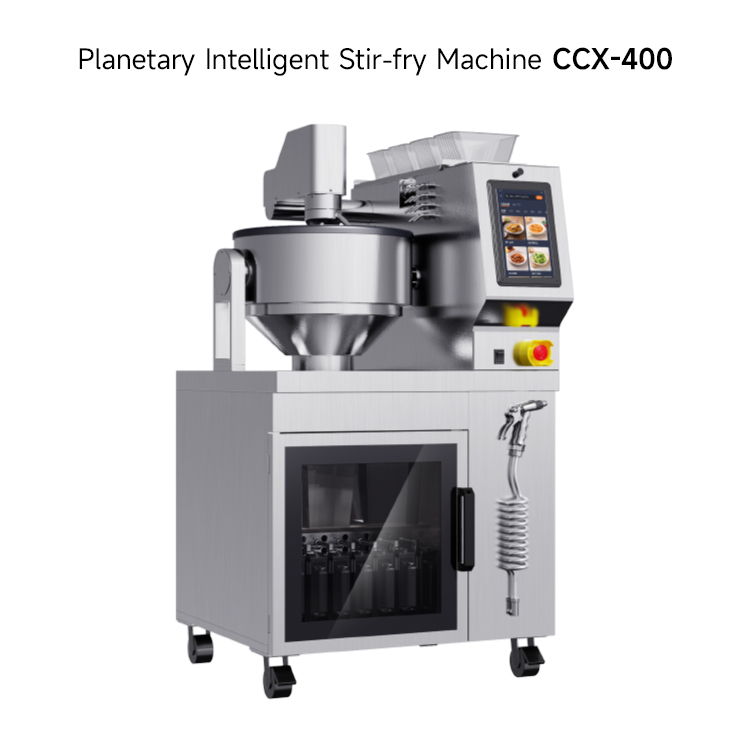
Table of Contents
- Meeting the High Expectations of Modern High Volume Food Production
- Maximizing Consistency and Eliminating Labor Bottlenecks with Intelligent Kitchen Machinery
- The Physical Engineering of Heat Distribution and Sauce Emulsification
- Upholding Global Health Certifications and Streamlining Food Safety Controls
- Boosting Long Term Franchise Profitability and Brand Loyalty Around the World