 EN
EN

Navigating the Operational Hurdles of Multi Location Flavor Synchronization
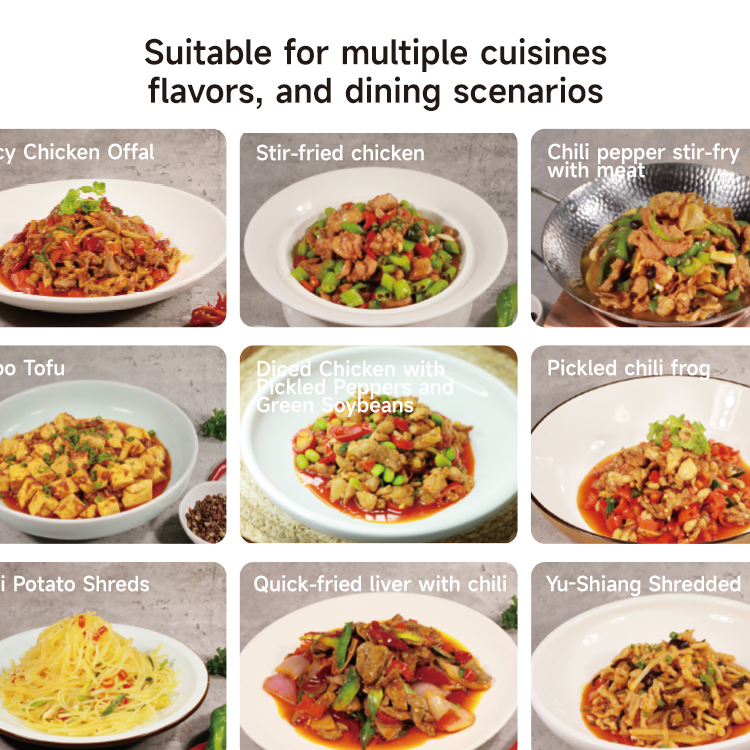
When I stepped in to optimize the culinary logistics for a fast growing urban dining group, our team ran into a massive operational wall. We had just launched a complex sesame garlic stir fry across several high volume locations, but our customer satisfaction scores began to fracture. In one kitchen, a line cook would over reduce the liquid base, making the dish overly salty and thick, while at another branch, a different cook would fail to hit the proper pan temperature, leaving the vegetables soggy and the aromatic profile weak. High kitchen staff turnover and varying experience levels meant that scratch preparation was a major liability for our brand equity. That stressful period taught me that human intuition alone cannot guarantee consistency at scale. To protect a growing food service enterprise, you must look toward automation. Implementing a smart cooking robot restaurant setup became our saving grace, allowing us to shift from unpredictable manual frying to a reliable, programmed system that locks in culinary quality.
The Technical Art of Programming Fluid Dynamics and Thermal Controls
Successfully configuring a cooking robot restaurant system requires a precise combination of culinary knowledge and mechanical engineering. You cannot simply input a traditional handwritten kitchen recipe and expect an automated drum to replicate it perfectly. Traditional cooking relies on real time sensory adjustments, whereas automated machinery executes commands based on strict digital inputs, precise weight parameters, and exact thermal timing. Food science research emphasizes that liquid seasoning blends and highly homogenized bases perform significantly better in automated systems than raw, coarse spices. When a machine rotates, loose powders or unevenly chopped aromatics can gather in localized pockets or scorch against the heating element. By using professionally engineered, pre emulsified fluid flavoring foundations, you ensure that the liquid coats every single ingredient uniformly as the automated arm turns, maintaining perfect flavor distribution without risking machine downtime or burnt batches.
Overcoming Viscosity Shifts and Starches Under Mechanical Agitation
From a professional food processing and thermodynamics standpoint, managing sauce viscosity during automated rotation is a highly complex challenge. When a cooking robot restaurant unit processes large batches of proteins and vegetables, the continuous mechanical action puts intense structural stress on the liquid components. Industry kitchen consultants point out that standard, non stabilized starches often break down under prolonged mechanical agitation, causing a sauce to thin out completely or leave a stubborn, burnt crust at the bottom of the heating cylinder. To bypass this issue, advanced food manufacturing laboratories design commercial culinary bases with optimized heat tolerance and stable fluid properties. These premium seasoning liquids retain their exact thickness, gloss, and cling rate throughout the entire automated heating cycle, protecting delicate ingredients from tearing while ensuring optimal heat penetration right to the center of every serving.
Meeting Strict Global Safety Standards and Compliance Metrics
In the highly regulated international food service and multi unit catering sector, supply chain transparency and regulatory compliance are essential for operational security. Deploying a centralized cooking robot restaurant network across different regions requires an unwavering commitment to international safety protocols. Reputable commercial ingredient manufacturers back their product lines with globally recognized quality management credentials, such as ISO22000 and HACCP. Leading food safety auditors highlight that automated commercial kitchens drastically minimize direct human contact with food, which naturally lowers the risk of cross contact and microbial contamination. However, this automated workflow is only dependable if the input ingredients are completely sterile, stable, and traceably sourced. Utilizing pre packaged, high quality commercial flavoring foundations guarantees that multi branch operators can maintain absolute biological and chemical uniformity across every automated location.
Strengthening Consumer Trust Through Unwavering Taste Dependability
At the end of the day, the financial success of any modern dining franchise relies on the sensory satisfaction of guests who expect their favorite meals to taste identical every single time. A cooking robot restaurant platform eliminates human fatigue and distraction, ensuring that a digital recipe programmed in the morning delivers the exact same deep umami profile during a hectic midnight rush. When supported by expertly formulated, high performance liquid seasoning foundations, these automated systems create beautiful color presentation, rich aromas, and a flawless mouthfeel that keeps diners coming back. This seamless integration of modern kitchen robotics and professional flavor engineering allows ambitious catering brands to confidently scale their operations, expand their multi branch networks, and build an unshakeable global reputation for premium culinary execution.
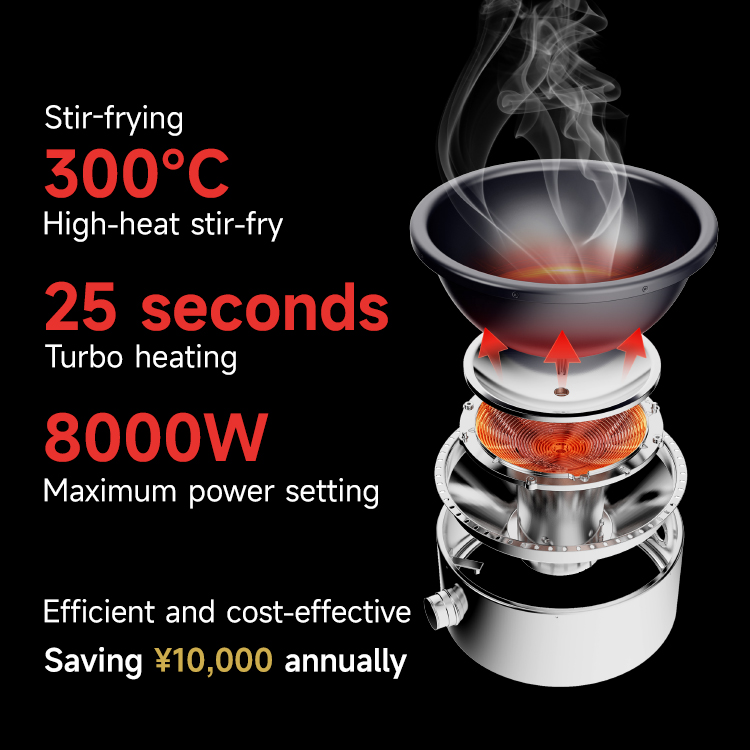
Table of Contents
- Navigating the Operational Hurdles of Multi Location Flavor Synchronization
- The Technical Art of Programming Fluid Dynamics and Thermal Controls
- Overcoming Viscosity Shifts and Starches Under Mechanical Agitation
- Meeting Strict Global Safety Standards and Compliance Metrics
- Strengthening Consumer Trust Through Unwavering Taste Dependability