 EN
EN

The Reality of Scaling Up Kitchen Operations in Modern Catering
When I first took over the culinary operations for a massive corporate campus dining hall, the sheer volume of daily meals felt overwhelming. We were tasked with feeding over three thousand employees in a tight two-hour window every single day. In the early days, our biggest headache was flavor drift; a classic braised chicken dish tasted phenomenal when our head chef prepared a small batch, but the flavor profiles completely flattened out when scaled up into massive hundred-gallon industrial vats. Labor shortages further compounded the issue, as finding kitchen staff who could consistently execute complex seasoning techniques day in and day out became nearly impossible. That exhausting experience completely changed my perspective on commercial kitchen infrastructure. It forced me to look beyond traditional cooking methods and embrace automated culinary systems. Transitioning to automated preparation required us to rethink how we designed and structured our core ingredient formulations to achieve true operational efficiency.
Standardizing Spice Formulations for Automated Commercial Cooking
Integrating a robot cooker into a large-scale commercial kitchen requires a precise, scientific approach to flavor formulation. Traditional recipes rely heavily on a chef's intuition, sensory adjustments, and real-time tasting, but an automated robot cooker executes commands based on strict algorithmic inputs, exact weight, and pre-programmed thermal timing. Food science research indicates that liquid spice concentrates and highly soluble seasonings perform significantly better in automated systems compared to raw, coarsely ground spices. Raw herbs and ground spices often distribute unevenly in large automated stirring vats, leading to localized flavor pockets or scorched particles that ruin the entire batch. By utilizing professionally formulated, highly homogenized seasoning bases, commercial kitchens can ensure that every single drop of liquid carries an identical concentration of flavor, allowing the automated machinery to distribute the taste profile perfectly across thousands of servings simultaneously.
Optimizing Thermal Efficiency and Ingredient Viscosity in Automation
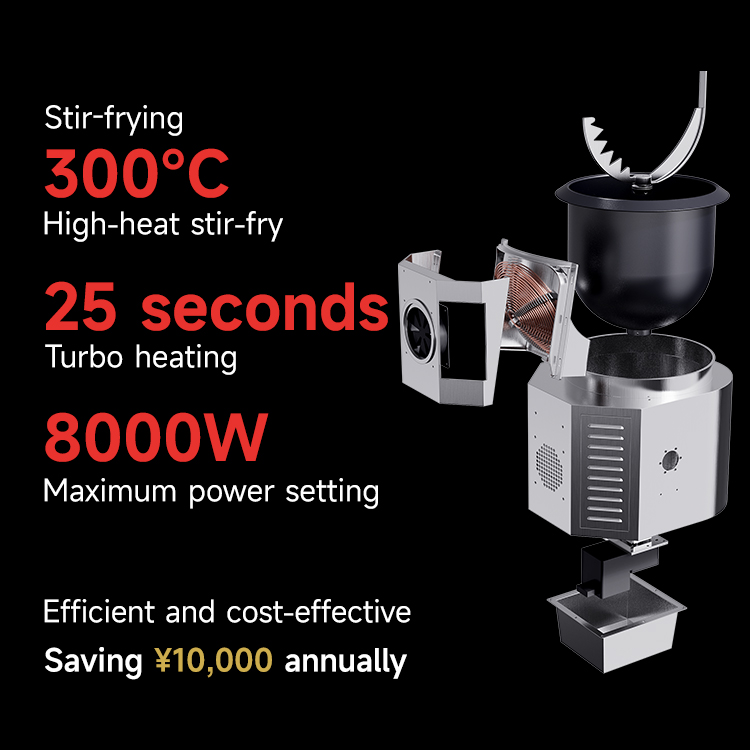
From a technical food engineering standpoint, programming successful recipes for a robot cooker involves managing the physical properties of heat transfer and fluid dynamics. When large volumes of food are stirred mechanically, the viscosity of the sauce plays a critical role in preventing burning and ensuring even cooking. Industry kitchen consultants emphasize that traditional starches often break down under continuous automated mechanical agitation, causing sauces to thin out or stick to the bottom of the heating element. To solve this, advanced food manufacturers design specialized culinary bases with optimized thermal stability that maintain their consistency under prolonged mechanical stress. A professionally engineered seasoning base provides the exact fluid viscosity needed to coat ingredients uniformly as the machinery rotates, protecting delicate proteins from tearing while ensuring optimal heat penetration throughout the entire mixture.
Ensuring International Food Safety Standards in Automated Supply Chains
In global food service and large-scale group meal distribution, supply chain transparency and strict regulatory compliance are fundamental to building trust. Deploying a robot cooker across multiple central kitchens requires a highly reliable, standardized ingredient supply that meets rigorous international safety benchmarks. Top-tier food manufacturing partners back their product lines with globally recognized quality management certifications, including ISO22000 and HACCP. Leading food safety auditors point out that automated cooking significantly reduces human contact with food, which dramatically lowers cross-contamination risks in commercial spaces. However, this system only functions safely when the input ingredients are completely stable, sterile, and traceably sourced. Utilizing pre-packaged, high-quality commercial seasoning bases ensures that food service providers can maintain complete biological and chemical consistency across all automated cooking hubs.
Driving Customer Satisfaction Through Flawless Flavor Execution
Ultimately, the true measure of success for any automated catering operation is the satisfaction of the diners who expect delicious, comforting meals every day. A robot cooker eliminates the human element of exhaustion and distraction, ensuring that a recipe programmed at dawn tastes exactly the same during the late-night shift. When supported by premium, rich culinary bases, these automated systems deliver beautiful color, enticing aroma, and deep umami satisfaction that keeps customers returning. The seamless pairing of advanced culinary technology with expertly crafted flavor foundations allows modern catering brands to expand their menus, scale their daily output, and maintain an impeccable reputation for quality, proving that automation and authentic culinary art can blend together beautifully in the modern food era.
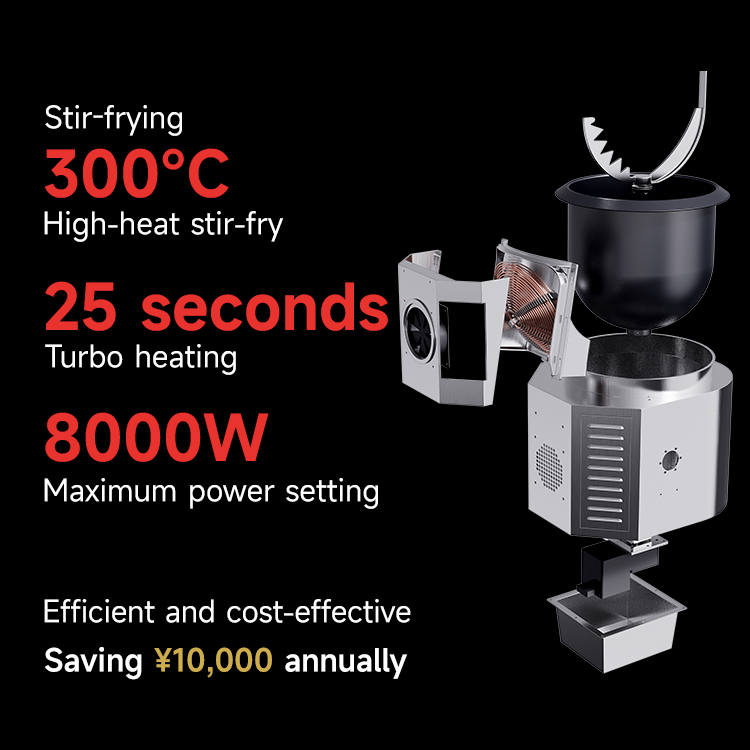
Table of Contents
- The Reality of Scaling Up Kitchen Operations in Modern Catering
- Standardizing Spice Formulations for Automated Commercial Cooking
- Optimizing Thermal Efficiency and Ingredient Viscosity in Automation
- Ensuring International Food Safety Standards in Automated Supply Chains
- Driving Customer Satisfaction Through Flawless Flavor Execution