 EN
EN

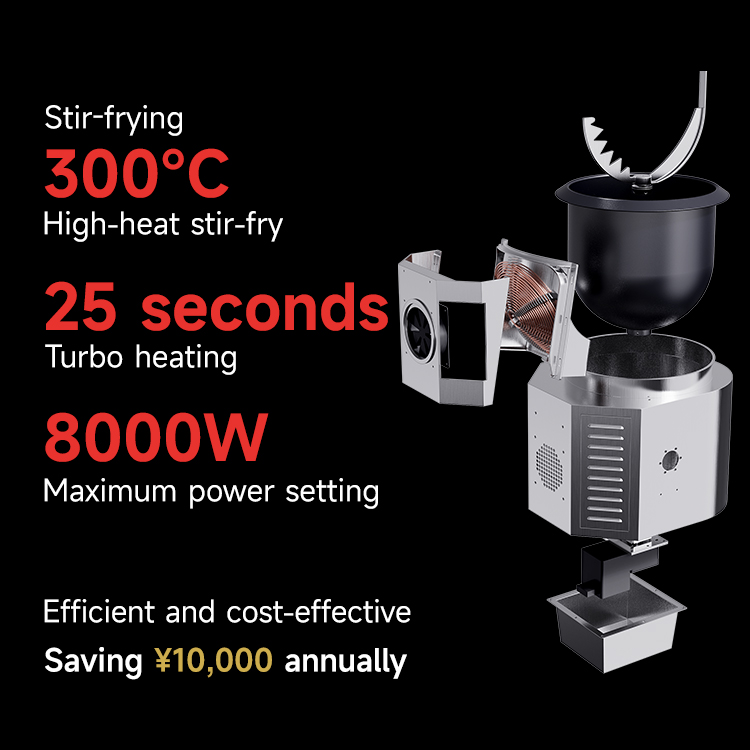
Realizing the Ultimate Power of Automated Culinary Systems
When I took charge of the backend culinary supply chain for a major cross regional casual dining franchise, we hit a massive wall with our signature stew items. During our peak dinner rushes, the food quality would swing wildly from one kitchen shift to another because line cooks struggled to manage pan temperatures while rushing to fulfill tickets. Human fatigue invariably led to variations in sauce thickness, uneven seasoning distribution, and unacceptable kitchen food waste. This intense operational headache forced our corporate executive team to rethink our back of house strategy entirely. We realized that expanding a modern brand requires moving away from unpredictable manual cooking techniques toward structured mechanical automation. Implementing a professional cooking robot restaurant infrastructure completely rescued our expanding multi branch business, stepping in to eliminate human error while providing the rigid, mathematical consistency necessary to protect our signature taste across different locations.
The Technical Science of Thermal Control and Precision Agitation
Configuring a high performance cooking robot restaurant network demands an intricate blend of culinary mastery and thermodynamic fluid engineering. You can never simply dump a standard handwritten recipe into an automated commercial system and expect a perfect result; the machinery relies on rigid digital parameters, precise heating metrics, and exact drum rotation speeds. Food technology researchers emphasize that liquid seasoning concentrates and highly homogenized flavoring bases perform beautifully in automated equipment compared to raw, unrefined spices. When an automated cylinder rotates, raw herbs or loose powders can easily clump together or scorch against the heating element. By using professionally engineered, pre emulsified fluid flavoring foundations, you ensure that the cooking medium evenly coats every single piece of protein and vegetable during rotation, preventing any mechanical downtime or burnt batches.
Overcoming Sauce Viscosity Degradation Under Mechanical Agitation
From a strictly professional food processing and physics perspective, managing sauce viscosity under continuous mechanical movement is a major operational challenge. When an advanced cooking robot restaurant unit prepares large quantities of stews or stir fries, the constant tumbling motion puts intense structural stress on the liquid components. Kitchen consulting experts point out that standard, unrefined starches often break down rapidly under prolonged mechanical agitation, causing a rich glaze to turn thin and watery or leave a stubborn, burnt layer at the bottom of the vessel. To completely bypass this issue, specialized culinary production laboratories design commercial liquid seasoning bases with optimized heat tolerance and superior emulsion stability. These premium flavor matrices maintain their exact thickness, glossy sheen, and uniform cling rate throughout the entire automated heating cycle, protecting delicate ingredients from tearing while driving heat directly to the center of every serving.
Maintaining Global Food Safety Protocols and International Compliance
In the highly regulated world of global food service distribution and franchise operations, supply chain transparency and regulatory compliance are critical to daily survival. Deploying a centralized cooking robot restaurant setup across international borders requires a deep commitment to global food safety standards. Elite commercial ingredient manufacturers back their product lines with internationally recognized quality management credentials, such as ISO22000 and HACCP. Leading food safety auditors highlight that automated commercial kitchens drastically reduce direct human contact with raw food products, which naturally minimizes the risk of cross contact and airborne microbial contamination. However, this automated setup is only truly dependable when the input ingredients are completely sterile, stable, and traceably sourced. Utilizing pre packaged, high performance commercial seasoning foundations ensures multi branch operators can maintain absolute biological and chemical uniformity across every production hub.
Cultivating Long Term Brand Loyalty Through Flawless Taste Dependability
Ultimately, the long term financial success of a growing restaurant network depends on the sensory satisfaction of guests who expect their favorite meals to taste identical every single time they visit. A cooking robot restaurant platform completely removes human distraction and exhaustion from the equation, guaranteeing that a digital program run in the early morning delivers the exact same deep, rich umami profile during a frantic late night rush. When supported by expertly formulated, high performance liquid seasoning bases, these automated systems create beautiful color presentation, inviting aromas, and a flawless mouthfeel that keeps diners coming back. This seamless integration of modern kitchen robotics and professional flavor engineering empowers ambitious catering brands to scale their operations with total confidence, expand their multi unit networks aggressively, and build an unshakeable reputation for premium culinary execution.
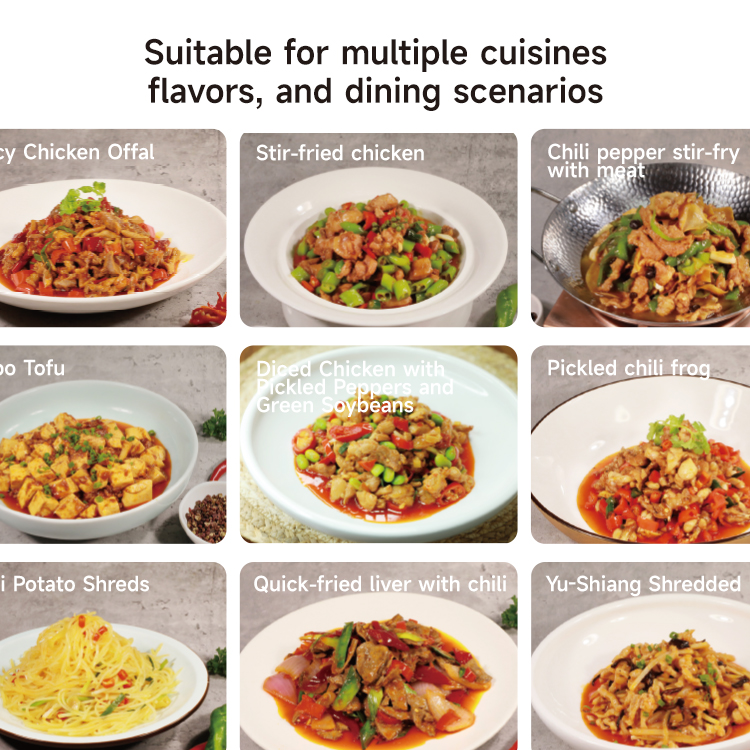
Table of Contents
- Realizing the Ultimate Power of Automated Culinary Systems
- The Technical Science of Thermal Control and Precision Agitation
- Overcoming Sauce Viscosity Degradation Under Mechanical Agitation
- Maintaining Global Food Safety Protocols and International Compliance
- Cultivating Long Term Brand Loyalty Through Flawless Taste Dependability