EN
EN

Consistent Quality & Standardized Flavor Output
One of the biggest headaches for food factories doing large-batch cooking is keeping flavor and texture consistent across thousands of meals. Human chefs naturally vary seasoning, heat, and stirring—even with strict recipes. A robot kitchen cook eliminates this inconsistency entirely. Every pot, every batch follows the same precise digital parameters.
We’ve worked with dozens of food factories, and one regional prepared meals producer saw a 40% drop in customer complaints after switching to our robot kitchen cook. What once required 8 senior chefs to monitor taste now runs autonomously. Industry food technologists confirm that robotic cooking removes human error, ensuring uniform color, taste, and texture in every serving—critical for brands selling frozen meals, ready-to-eat dishes, or bulk catering packs. Our robot kitchen cook stores hundreds of digital recipes, replicating exact heat curves, stirring rhythms, and seasoning timing every single time.
Dramatic Labor Cost Reduction & Staffing Stability
Labor is often the largest expense in food manufacturing, and hiring, training, and retaining skilled chefs is increasingly difficult. A robot kitchen cook addresses this directly. One robot can handle the workload of 3–5 experienced cooks, operating 24/7 without breaks, sick days, or turnover.
In a central kitchen project we completed for a national chain, replacing manual woks with our robot kitchen cook cut labor costs by over 60. The factory no longer needed to schedule night shifts or rush to hire temporary staff during peak seasons. Food industry HR experts note that kitchen automation frees teams from repetitive, high-heat tasks, letting staff focus on quality control, recipe innovation, and logistics. Our robot kitchen cook is designed for simple operation: staff with minimal training can manage multiple units, reducing reliance on hard-to-find senior chefs.
Enhanced Production Efficiency & Scalability
Batch cooking demands high throughput, and traditional kitchens hit bottlenecks during peak demand. A robot kitchen cook transforms production speed and flexibility. It cooks faster, cycles continuously, and scales up or down without delays.
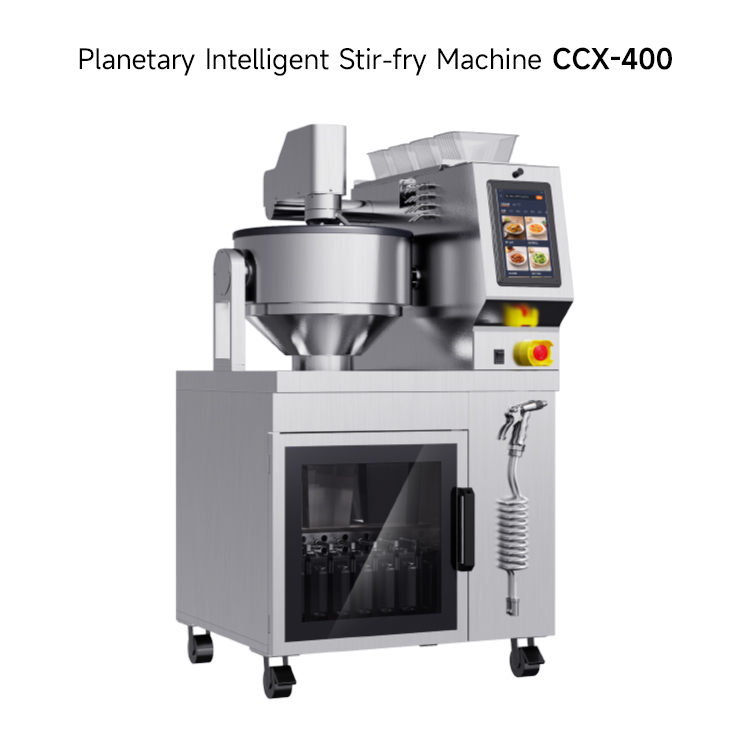
Our robot kitchen cook features large-capacity pots and automated stirring systems. In one case, a frozen food factory increased daily output from 5,000 to 12,000 meals after installation. It preheats quickly, maintains precise temperatures, and cleans automatically between batches—cutting downtime by 50%. Production managers emphasize that robotic cooking lines adapt seamlessly to seasonal spikes or new product launches. Our robot kitchen cook supports recipe adjustments in minutes, letting factories test new dishes or scale popular ones without retooling the entire kitchen.
Strict Food Safety & Hygiene Compliance
Food safety is non-negotiable for any food factory. Manual cooking introduces risks like cross-contamination, inconsistent heating, or improper handling. A robot kitchen cook minimizes human contact with food, creating a cleaner, safer production environment.
Our robot kitchen cook is built with food-grade stainless steel and fully enclosed cooking chambers. All parts that touch food are easy to sanitize, and the system logs every cooking parameter—temperature, time, stirring speed—for full traceability. A ready meal manufacturer we partnered with passed third-party food safety audits with zero major violations after adopting our robots. Hygiene experts stress that reducing human interaction lowers contamination risks significantly. Our robot kitchen cook complies with global food safety standards, including HACCP and ISO 22000, giving brands confidence in every batch.
Long-Term Cost Savings & Operational Reliability
Beyond labor savings, a robot kitchen cook delivers consistent long-term value. It reduces food waste, optimizes energy use, and requires minimal maintenance.
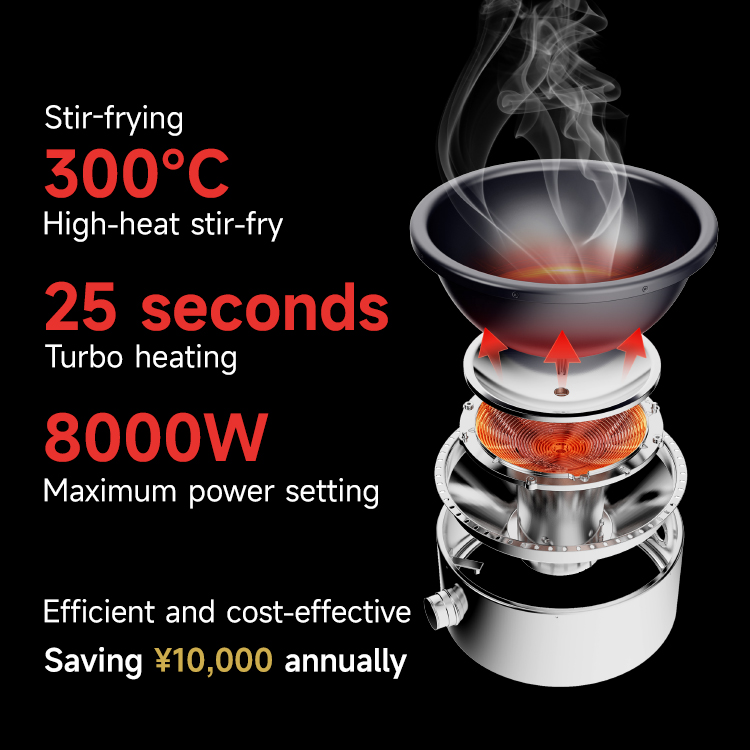
Human cooks often over-season or burn dishes, causing 5–10% food loss per batch. Our robot kitchen cook eliminates this waste with precise control. It also uses energy efficiently: targeted heating reduces gas or electricity consumption by up to 30%. Built for heavy-duty industrial use, our robot kitchen cook runs reliably for years. One client reported only minor maintenance over three years of 12-hour daily operation. Financial analysts specializing in food manufacturing note that robotic kitchen systems typically pay for themselves in 18–24 months. Our robot kitchen cook combines durability, efficiency, and low upkeep, making it a smart investment for any food factory serious about long-term profitability.