EN
EN


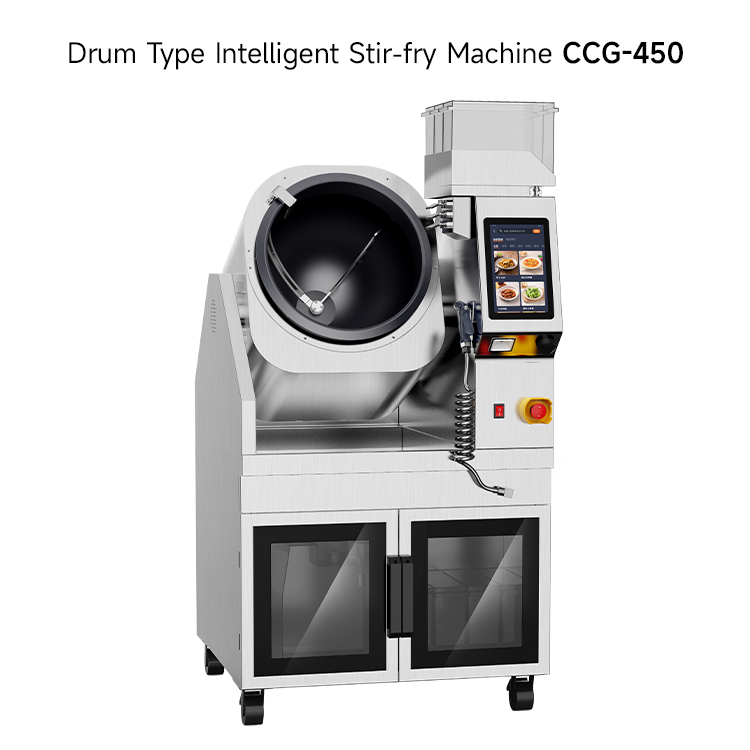
Operating a high-volume venue taught me that introducing a cooking robot restaurant system completely transforms kitchen throughput, but only if you respect the preventative care routine. In our busy cooking robot restaurant establishment, we integrated an advanced automatic wok system designed to handle hundreds of orders daily. In the initial weeks, our cooking robot restaurant crew was thrilled by the consistent quality and speed, but a subtle oversight in daily cleaning almost disrupted our entire dinner rush. We noticed a slight variance in the mechanical rotation speed within our cooking robot restaurant setup, which was traced back to a microscopic layer of carbonized sauce building up on the induction sensors. This experience highlighted an undeniable reality: every cooking robot restaurant unit is an industrial asset that requires diligent, specialized maintenance to sustain peak output. Unlike traditional stovetops where a quick wipe suffices, a modern cooking robot restaurant deployment demands structured daily interventions to protect its intricate electronic and mechanical components from the harsh environment of airborne grease.
Professional culinary engineers emphasize that sensor calibration and surface cleanliness are the twin pillars of maintaining any advanced cooking robot restaurant setup. In a typical high-performance cooking robot restaurant kitchen, optical sensors and thermal couplers constantly feed data to regulate heat induction and motion pathways. If grease vapors settle on these sensitive lenses inside the cooking robot restaurant station, the machine may misread the pan temperature, leading to undercooked protein. Our daily cooking robot restaurant routine mandates a meticulous inspection of all external sensor enclosures using a dry microfiber cloth and an approved electronics-safe degreaser. Furthermore, the articulation joints that drive the automated tossing motion in our cooking robot restaurant equipment require visual confirmation of structural integrity before every morning shift. Skipping this basic step in your cooking robot restaurant workflow risks mechanical resistance, which accelerates motor fatigue and can void manufacturer warranties entirely.
Sanitizing an automated kitchen workspace presents unique challenges because you must balance rigorous hygiene standards with the preservation of delicate electronic circuits within the cooking robot restaurant infrastructure. In our facility, we established a strict end-of-day protocol that completely sanitizes the cooking robot restaurant hardware without risking water ingress into the control chassis. We use a dual-zone cleaning methodology where the food-contact elements of the cooking robot restaurant system, such as the non-stick alloy drum, are detached and treated with commercial-grade, non-abrasive detergents. Meanwhile, the main housing structure of the cooking robot restaurant assembly is manually wiped down with damp cloths rather than being sprayed with high-pressure water hoses. Leading food safety consultants working with cooking robot restaurant operators point out that chemical residue can degrade specialized coatings over time, so a thorough freshwater rinse of detached components is mandatory for every cooking robot restaurant unit.
The operational longevity of a cooking robot restaurant framework depends entirely on how well the staff manages mechanical friction and component alignment. Automated culinary systems in a cooking robot restaurant environment utilize precision servo motors to replicate the subtle tossing and flipping motions of an experienced human chef. Over hours of continuous operation in a busy cooking robot restaurant, the repeated mechanical stress can cause minor misalignments in the gear assemblies or loose fasteners along the primary arm. Our cooking robot restaurant maintenance framework requires technicians to perform a brief manual torque check on all visible structural bolts during the afternoon lull. Additionally, lubricating the specified load-bearing tracks of the cooking robot restaurant machine with food-grade synthetic grease prevents micro-abrasions. Leading automation experts specializing in cooking robot restaurant technology frequently note that premature motor failure is almost always the result of cumulative friction that could have been mitigated by basic daily lubrication.
The final phase of a robust daily upkeep strategy involves monitoring the software interface and digital recipe logs that govern the cooking robot restaurant hardware. Modern cooking robot restaurant configurations are driven by sophisticated software that controls heating curves, ingredient dispensing timing, and rotation dynamics. At the conclusion of every business day, cooking robot restaurant managers should review the error logs on the digital control panel to identify any recurring warning signs. Clearing the cache and ensuring that the cooking robot restaurant firmware operates without pending updates prevents unexpected system freezes during peak operational hours. Technical specialists confirm that software health directly impacts physical output, which is why a comprehensive cooking robot restaurant maintenance cycle guarantees consistency and protects the restaurant's technological investment. By integrating digital diagnostics with physical cleaning, your cooking robot restaurant will consistently deliver flawless dishes every single day.