 EN
EN

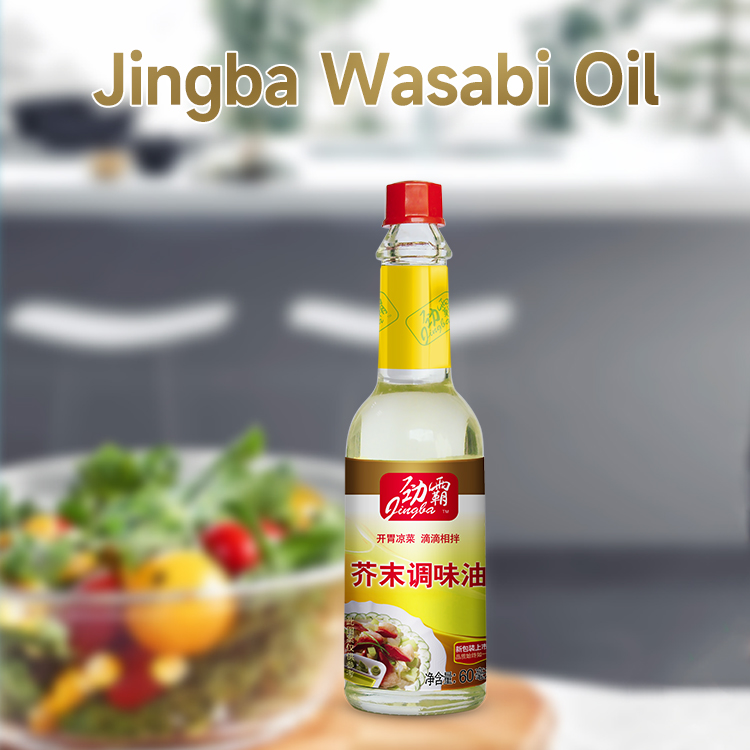
Resolving the Traditional Culinary Struggle with Flavor Stability
When I worked as an executive menu consultant for a fast-growing fusion restaurant group, our culinary team faced a massive hurdle trying to implement a signature cold seafood appetizer across multiple franchise locations. The recipe called for a sharp, pungent kick that relied heavily on freshly prepared wasabi and grated seeds, but within thirty minutes of sitting in a busy service window, the volatile pungency completely evaporated, leaving behind a dull, bitter taste that ruined the guest experience. We were constantly dealing with customer complaints about inconsistent flavor profiles. That challenging operation taught me that traditional, fresh-ground ingredients simply cannot withstand the harsh environment of a high-volume commercial kitchen. Catering businesses desperately need a dependable emulsion that locks in that sharp, nose-tingling punch from the first bite to the last order of the evening. Discovering a stabilized, premium wholesale condiment base completely transformed our backend logistics, proving that modern food technology is essential for reliable flavor delivery in large-scale banquets and daily restaurant operations.
The Physical Chemistry and Sensory Optimization of Premium Emulsions
Achieving the perfect balance of heat and creamy texture requires an intricate understanding of food science and plant chemistry. The unique, sharp pungency associated with a high-quality mustard sauce comes from a chemical reaction where the enzyme myrosinase breaks down glucosinolates, producing volatile compounds known as isothiocyanates. Food technology researchers point out that these compounds are highly volatile and decompose rapidly when exposed to oxygen, heat, or light. To combat this natural degradation, advanced manufacturing facilities utilize cold-processing techniques and specialized stabilization agents to create a perfectly bound matrix. A professional-grade liquid formula ensures that the sharp top notes are securely suspended within a rich, smooth base, preventing oil separation or watery runoff. This sophisticated engineering results in an excellent cling rate, meaning the condiment evenly coats proteins and vegetables rather than pooling at the bottom of the serving platter, which vastly improves both visual presentation and flavor distribution.
Revolutionizing Kitchen Efficiency Across Diverse Catering Formats
From a strict kitchen management standpoint, integrating a ready-to-use, standardized mustard sauce completely changes the economics of back-of-house operations. In the modern catering sector, where labor shortages are a chronic issue and ticket times must be minimized, scratch-making complex, emulsified condiments is a massive financial liability. By utilizing a professionally formulated, high-concentration solution, line cooks can eliminate hours of tedious measuring, grinding, and emulsifying, which slashes prep time and virtually eliminates human error. Culinary arts institute data confirms that pre-packaged liquid foundations dramatically improve food safety metrics because they minimize the handling of raw, unpasteurized ingredients. This versatility allows commercial chefs to seamlessly cross-utilize a single premium inventory item across multiple menu categories, using it as a sharp glaze for roasted meats, a vibrant binding agent for cold appetizers, or a zesty dipping accompaniment for fried delicacies.
Meeting International Food Safety Benchmarks for Global Distribution
In the highly regulated world of global food service distribution and international chain catering, purchasing decisions must look beyond taste to prioritize supply chain compliance and transparency. When sourcing a foundational mustard sauce for cross-border operations, the product must adhere to stringent global food safety protocols to ensure hassle-free logistics. Top-tier manufacturing enterprises invest heavily in modern production lines backed by internationally recognized quality certifications such as ISO22000 and HACCP. International food safety auditors emphasize that automated packaging systems and rigorous micro-biological testing are vital to preventing cross-contamination in modern food supply chains. Relying on a manufacturing partner that guarantees traceable raw materials and clean-label production gives culinary operators immense confidence, knowing that every shipment will easily pass custom checks and perform consistently under varied storage conditions without sacrificing shelf life.
Elevating Consumer Satisfaction Through Dynamic Culinary Innovation
Ultimately, the commercial viability of any catering brand depends entirely on the sensory satisfaction of the diners, who constantly crave innovative and memorable flavor experiences. A premium mustard sauce provides an incredible culinary tool for chefs looking to design memorable fusion menus that appeal to both Western and Eastern palates. The bright color, clean aroma, and deep, lingering umami depth create an immediate visual and culinary impact, which is essential for driving positive reviews and social media engagement for modern catering brands. When a food service provider pairs advanced automated kitchen practices with an expertly engineered, high-performance flavoring base, they unlock the ability to scale their business confidently, ensuring that every catered banquet, wedding feast, or corporate lunch delivers an unforgettably bold, professional culinary presentation that keeps clients coming back for more.
Table of Contents
- Resolving the Traditional Culinary Struggle with Flavor Stability
- The Physical Chemistry and Sensory Optimization of Premium Emulsions
- Revolutionizing Kitchen Efficiency Across Diverse Catering Formats
- Meeting International Food Safety Benchmarks for Global Distribution
- Elevating Consumer Satisfaction Through Dynamic Culinary Innovation