EN
EN

Why Daily Maintenance Matters for Robot Cooker in Professional Kitchens
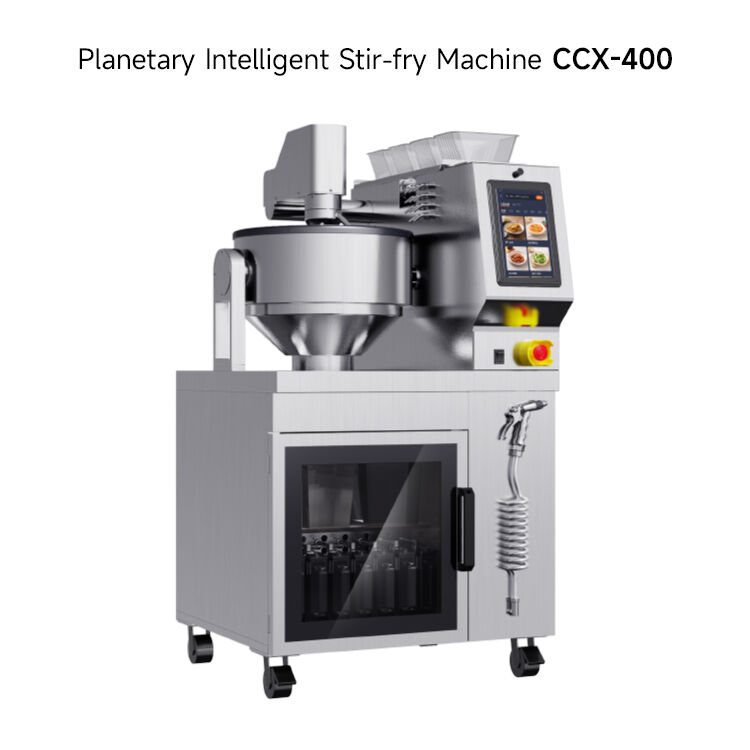
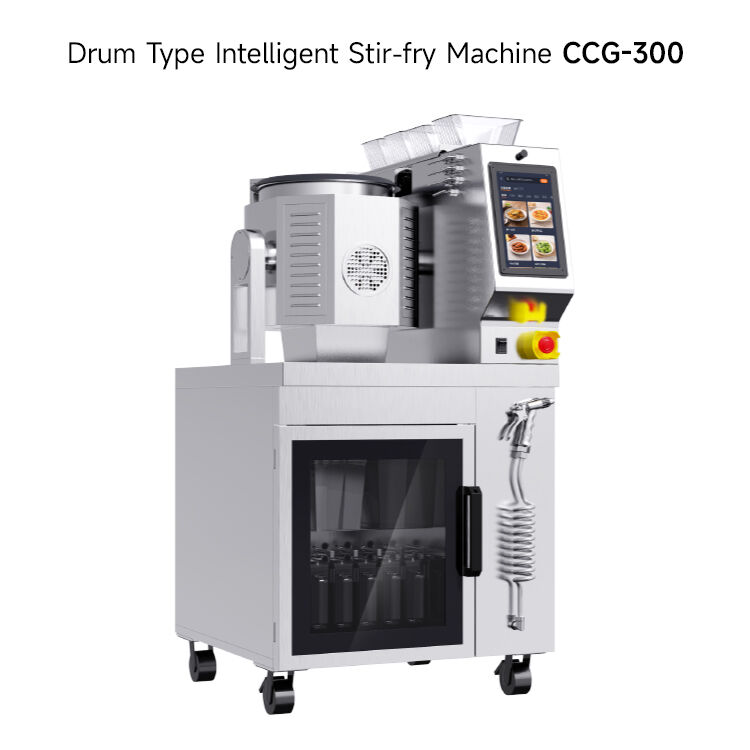
For professional food workshops, central kitchens, and high-volume catering production lines, the robot cooker has become core equipment that determines output efficiency and flavor consistency. Based on years of on-site operational and maintenance experience supporting commercial cooking automation, I have seen that insufficient daily maintenance causes more than 70% of unexpected downtime, abnormal flavor, and shortened service life for robot cooker units. Foodservice equipment authorities and kitchen safety standards both emphasize that regular, standardized maintenance directly improves production stability, ensures food safety, reduces failure rates, and extends equipment life by 50% or more. Our robot cooker systems are designed for durable, high-frequency use, but they still require scientific daily care to maintain precision stirring, accurate temperature control, and stable seasoning delivery. Proper daily maintenance is not extra work—it is essential for continuous, reliable, and cost-effective production in professional food workshops.
Daily Cleaning Procedures for Robot Cooker
Thorough daily cleaning is the foundation of robot cooker maintenance and directly affects food safety and taste purity. After each production batch or at the end of daily shifts, start by powering off the unit safely and waiting for components to cool. Clean the inner wok, stirring paddles, feeding ports, and seasoning pipelines with warm water and food-safe neutral cleaner; remove all residue, oil, and sauce to avoid cross-flavor contamination or bacterial growth. Pay special attention to gaps, corners, and sealing areas where buildup often hides. Our robot cooker supports semi-automatic cleaning functions to simplify daily care, but manual detailed cleaning remains necessary for high-standard workshops. In a large centralized food production workshop, implementing strict daily cleaning cut down abnormal shutdowns by nearly 65% and maintained consistent dish taste across batches. Kitchen hygiene experts note that persistent residue can cause burnt flavors, uneven heating, and even equipment malfunction, making daily cleaning non-negotiable.
Daily Inspection of Key Components for Robot Cooker
Each workday should include a structured inspection of critical robot cooker components to catch risks early. Check that the stirring system runs smoothly without abnormal noise or shaking, as misalignment affects cooking uniformity. Verify that the heating system reaches and holds target temperatures accurately; unstable heat leads to undercooked or overcooked products. Examine feeding valves, seasoning pipes, and sensors for leaks, blockages, or loose connections that disrupt dosing precision. Inspect power cables, control panels, and safety interlocks for damage or faults. Our robot cooker features built-in self-diagnosis functions to assist daily checks, but on-site visual confirmation improves reliability. Recording daily inspection results helps track performance and supports predictive maintenance. These simple steps prevent small issues from becoming costly breakdowns that halt entire production lines.
Lubrication and Calibration for Long-Term Stability
Proper lubrication and regular calibration keep the robot cooker performing precisely over years of heavy use. Follow equipment guidelines to apply food-grade lubricant to designated transmission parts, joints, and rotating components to reduce wear and maintain smooth movement. Avoid over-lubrication, which can attract dust or contaminate food. Calibrate weighing sensors, temperature probes, and rotating speed regularly to ensure cooking parameters stay accurate. Even minor drift in seasoning dosage or heat can ruin flavor consistency in commercial production. Our robot cooker uses high-precision components and offers user-friendly calibration modes to support daily and periodic upkeep. In a chain-brand central kitchen, scheduled lubrication and calibration kept robot cooker units stable through years of three-shift operation, with almost no performance degradation. Mechanical and food engineering experts agree that such care preserves the precision that makes automated cooking valuable.
Safe Operation and Long-Term Benefits of Daily Maintenance
Adhering to daily maintenance routines brings lasting benefits to professional food workshops: stable output, consistent product quality, lower repair costs, longer equipment life, and full compliance with food safety rules. A well-maintained robot cooker maintains precise control over stirring, heating, and seasoning, ensuring every dish meets brand standards. Reduced failures mean higher productivity and less waste from defective batches. Over time, lower maintenance and replacement costs significantly improve overall profitability. Our robot cooker comes with detailed maintenance manuals, professional training, and long-term technical support to help workshops build effective daily routines. For modern, large-scale food production, consistent daily maintenance of the robot cooker is not just equipment care—it is a core management practice that supports quality stability, cost control, and sustainable business growth.