 EN
EN

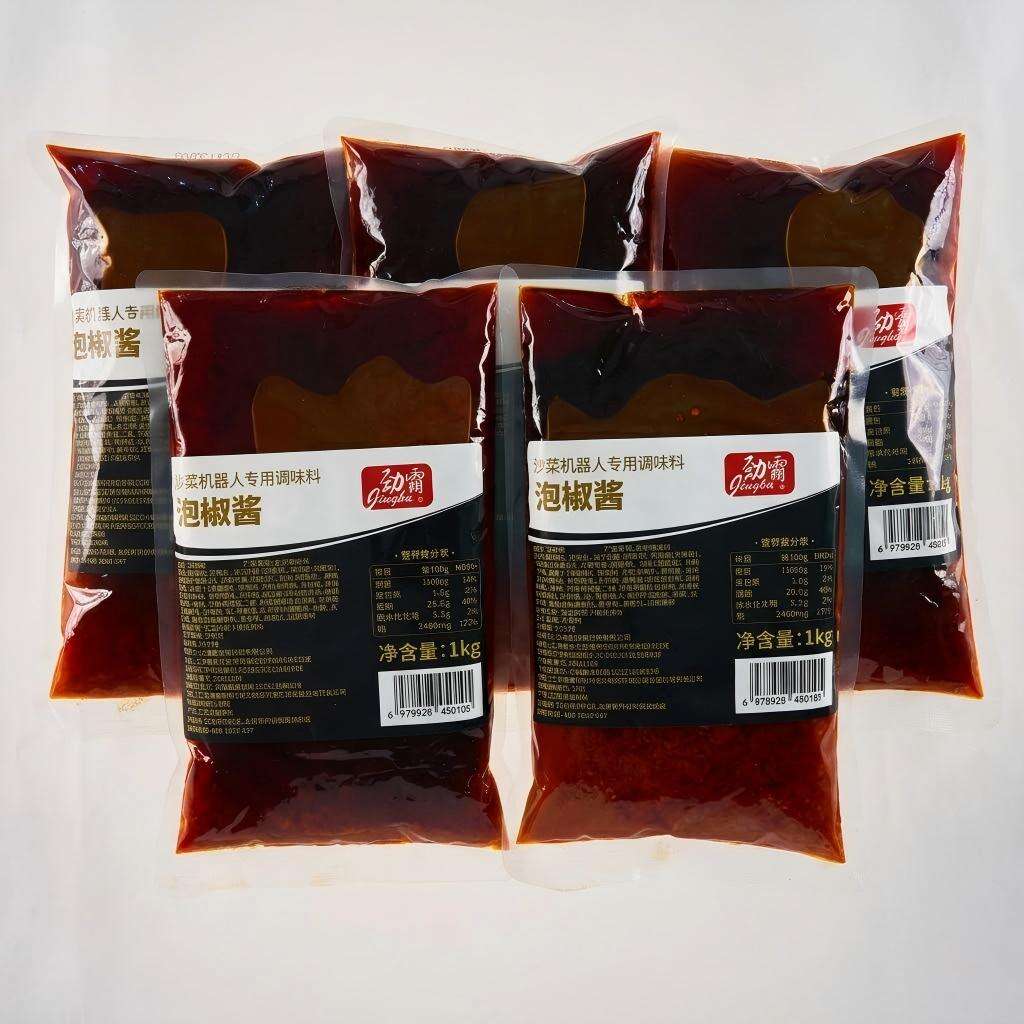
Control Critical Parameters to Prevent Seasoning Sauce Taste Drift
Why pH, salt content, and volatile kinetics drive non-linear flavor perception
Small changes in pH levels or salt content can actually have a big impact on how seasoning sauces taste because our sense of flavor doesn't work in straight lines. Even a tiny shift of plus or minus 0.3 in pH can either mute or boost certain smell chemicals by anywhere between 15% and 40%. That means what we perceive as sourness or overall aroma gets completely thrown off balance. When it comes to salt, differences bigger than 0.8% start messing with the sweet and savory balance in food thanks to how ions interact. This affects how proteins dissolve and how smells get distributed throughout the sauce. Things get even trickier when heat is involved. Once temperatures go over 70 degrees Celsius, those delicate flavor compounds start breaking down much faster than expected. This is why manufacturers need such tight controls over their processes if they want every batch of sauce to taste exactly the same.
Real-time NaCl/pH feedback loop cuts batch-to-batch seasoning sauce taste deviation from 12% to <2%
Inline sensors that automate processes can catch problems and make corrections within just 30 seconds these days. Facilities are using continuous monitoring of ion levels along with titration techniques to adjust brine concentrations when making emulsions. At the same time, they track pH levels through spectrophotometry which helps control how much acid is added on the fly. These systems started appearing in major manufacturing plants throughout North America and parts of Asia back in 2023. What we've seen since then is pretty impressive actually - sensory differences dropped dramatically from around 12% down to below 2%. The real magic happens behind the scenes though. Machine learning models compare current viscosity measurements against old data collected by taste panels, and this setup catches issues long before anyone would notice something's off during regular tasting sessions.
Preserve Organoleptic Integrity During Seasoning Sauce Scale-Up
How residence time distribution and surface-area-to-volume ratio impact top-note aroma retention
When scaling up production, those volatile aroma compounds tend to disappear quite a bit. According to research from the Institute of Food Technologists in their 2024 study on flavor retention, when moving from pilot batches to full scale production, we can lose around 40% of those precious top notes because of how Residence Time Distribution works. The bigger tanks just don't have the same surface area relative to volume as smaller ones do, so all those delicate citrus scents and herbal aromas basically slip away faster than anyone wants them to. Smart companies fighting back against this problem are turning to some pretty clever tech solutions these days. They're implementing zoned temperature controls across different parts of the processing line, plus vacuum systems that actually grab hold of those escaping aromatics before they vanish completely. These systems then reincorporate what was lost while keeping the overall flavor profile balanced instead of making everything smell overly intense or artificial.
Mitigating mouthfeel loss: jacketed kettle optimization for industrial seasoning sauce production
When heat breaks down viscosity, it leads to irreversible changes in mouthfeel that can really impact quality at scale. Traditional jacketed kettles often struggle with temperature distribution issues, creating hot spots above 90 degrees Celsius. These hot areas damage hydrocolloids and throw off emulsions completely. Many forward thinking manufacturers have started using dual zone heating systems paired with those spiral scrapers. They've seen around a 75-80% reduction in texture inconsistencies according to industry reports. The benefit? Emulsions stay stable throughout processing and starch doesn't gelatinize too early. This means better cling properties, improved coating behavior on food surfaces, and that rich mouth feel consumers expect from premium sauces.
Ensure Uniform Dispersion and Stability in Seasoning Sauce Manufacturing
Eliminating grittiness and flavor hotspots through shear-rate–controlled agitation
When shear rates aren't consistent during mixing operations, products often end up with texture issues such as grittiness or areas where flavors concentrate too much. What happens is that undissolved particles tend to clump together in some spots while other parts get left behind, and those precious volatile compounds start separating out from the mix. Good agitation control keeps shear stress within the sweet spot range of around 50 to 200 seconds inverse, allowing stabilizers and emulsifiers to properly hydrate without knocking out those sensitive aromatic notes we all love. The right level of precision actually breaks apart those pesky particle clusters down below 20 microns in size, yet still manages to keep those oil soluble flavor components intact throughout the batch. Modern systems now use variable frequency drives that constantly tweak impeller speed according to what the viscosity sensors tell them, and this means manufacturers can skip the whole post mixing filtration step that unfortunately tends to strip away those delightful top note volatiles so important for product character.
Inline high-shear mixers: torque-controlled RPM adoption in 68% of new seasoning sauce lines (IFT 2023)
Most seasoning sauce manufacturers have switched to torque-controlled high shear mixers these days. The latest data shows around 68% of all new equipment installed last year uses this tech, per the IFST's annual survey report for 2023. Traditional fixed RPM systems just don't cut it anymore since they either overwork light emulsions or fail to properly disperse thicker ingredients. These newer torque controlled models adjust their spinning power automatically when they detect changes in thickness caused by starches or other thickening agents. What does this mean in practice? Particle sizes end up much more consistent across batches (about 40% tighter distribution) and there are fewer texture problems reported by customers too – our records show about 15% fewer complaints on average. Three major international condiment companies have confirmed these improvements through their own quality control testing.
FAQ Section
What factors can cause seasoning sauce taste to drift?
Seasoning sauce taste can drift due to changes in pH levels, salt content, and temperature, which affect flavor perception and aroma balance.
How do manufacturers maintain consistent flavor in sauces?
Manufacturers use inline sensors and machine learning models to monitor and adjust ion levels, pH, and temperature to maintain stable flavor profiles throughout production.
What technologies help in retaining top-note aromas in large scale production?
Technologies like zoned temperature controls and vacuum systems help retain top-note aromas during scaling up of production processes.
Why are torque-controlled high shear mixers preferred in manufacturing?
Torque-controlled high shear mixers provide better control over particle size distribution and help maintain consistent texture across batches.